
How TMJ and Teeth Grinding Affect More Than Just Your Jaw
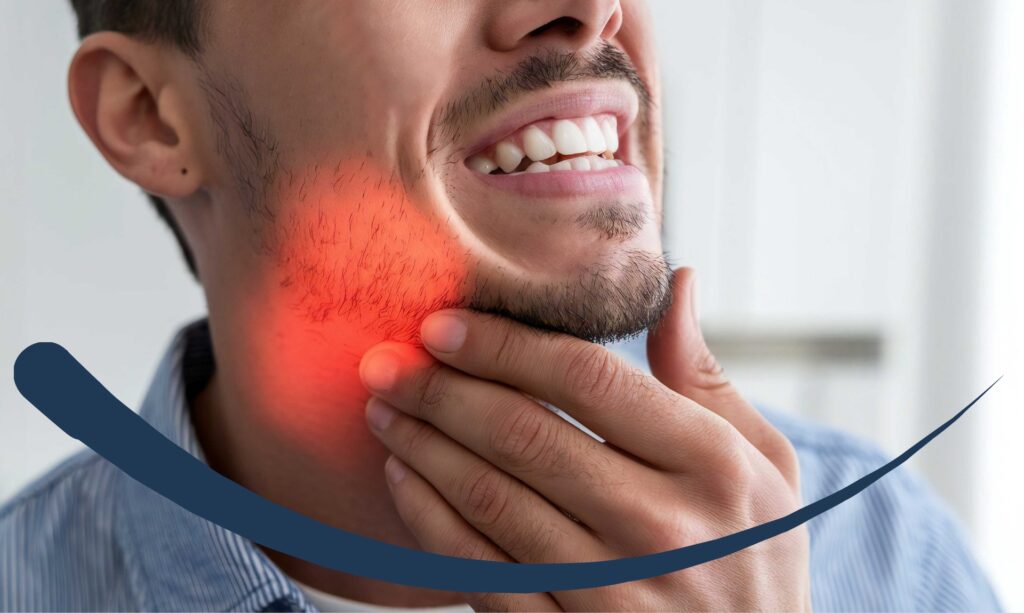
The Hidden Impact of TMJ Disorders and Bruxism
Have you been waking up with jaw pain, tightness, or headaches and wondering what’s going on? You might be experiencing symptoms of TMJ disorders or bruxism—conditions that affect far more than just your jaw.
TMJ stands for the temporomandibular joint, which connects your jawbone to your skull. When this joint isn’t working properly, it can cause a range of uncomfortable symptoms, commonly referred to as TMD (temporomandibular disorders). Meanwhile, bruxism, or teeth grinding, is a condition that often goes hand in hand with TMJ, especially at night when you may not even realize it’s happening.
At Ada Smile Place, we see just how much TMJ and teeth grinding can impact a person’s life—and it’s not just about jaw pain. These conditions can affect your entire well-being, from your sleep to your posture to your mental health. But here’s the good news: there are effective ways to find relief.
What are the common symptoms of TMJ and bruxism?
Understanding the signs of TMJ and bruxism is the first step toward feeling better. These conditions don’t always make themselves obvious, but they can sneak up in subtle (and not-so-subtle) ways:
- Jaw pain and stiffness: This is one of the most common signs. If you’re frequently waking up with jaw pain or find your jaw aching throughout the day, your temporomandibular joint may be under stress.
- Clicking or popping sounds when chewing: While some occasional jaw noises are normal, frequent clicking or locking when opening or closing your mouth can be a signal of a TMD issue.
- Frequent headaches and migraines: Chronic teeth grinding puts pressure on the muscles in your face, head, and neck, often leading to tension headaches or even full-blown migraines.
- Ear pain or ringing (tinnitus): The jaw joint is located close to the ear canal, so inflammation or stress in the TMJ can lead to ear-related symptoms, including ringing or muffled hearing.
If you’re experiencing one or more of these symptoms, it might be time to explore what’s going on beneath the surface.
What is the whole-body impact of TMJ and bruxism?
TMJ disorders and bruxism aren’t just about your mouth—they can cause a ripple effect throughout your body. Here’s how:
Headaches and Neck Pain
The muscles involved in chewing are connected to muscles in the neck and shoulders. When these areas are overworked from constant teeth grinding or jaw clenching, it can lead to chronic neck tension, shoulder pain, and persistent headaches.
Sleep Disruptions
Bruxism often occurs at night, meaning your body is under stress while you’re trying to rest. This can lead to restless sleep, snoring, or even sleep apnea. Poor sleep contributes to fatigue, irritability, and a reduced ability to focus during the day.
Posture Issues
Believe it or not, your jaw alignment can impact the alignment of your entire body. An imbalanced bite or misaligned TMJ can throw off your posture, causing discomfort in your neck, upper back, and spine.
Dental Damage
Constant teeth grinding wears down enamel, making teeth more sensitive and vulnerable to decay. It can also cause cracked teeth, gum recession, and even loose fillings or crowns. Over time, this can result in costly restorative dental work.
This wide-reaching impact is why it’s so important not to ignore ongoing jaw pain or signs of bruxism. These are not just dental problems—they’re whole-body wellness concerns.
What can you do about TMJ and bruxism?
If any of these symptoms are sounding familiar, don’t worry—there are plenty of ways to manage and treat TMD and teeth grinding. Here’s how you can take control:
TMJ Screenings and Diagnosis
The first step is getting a proper evaluation. At Ada Smile Place, we perform thorough TMJ assessments to determine whether your jaw is functioning properly and whether bruxism is present. Identifying the root of the problem is key to crafting a personalized treatment plan.
Myofunctional Therapy and Jaw Exercises
Targeted exercises can help relax the jaw muscles, improve alignment, and reduce grinding. These simple movements, when done consistently, can strengthen your facial muscles and relieve pressure on the joint.
Lifestyle Changes to Reduce Grinding
Sometimes, bruxism is triggered by stress, caffeine, or alcohol. Reducing these triggers, along with staying hydrated and avoiding chewing gum, can help ease the tension on your TMJ. Managing stress through relaxation techniques like meditation or yoga may also reduce nighttime grinding.
When to Seek Professional Treatment
If symptoms persist or worsen, professional intervention is often the best path forward. At Ada Smile Place, we offer custom night guards to protect your teeth from nighttime grinding, as well as other non-invasive therapies designed to reduce jaw pain and promote healing.
In some cases, more advanced care may be necessary, but early treatment can often prevent that need altogether.
Ease the impact of TMJ and teeth grinding at Ada Smile Place.
It’s easy to brush off jaw pain or occasional headaches as no big deal—but the truth is, TMD and bruxism can significantly affect your quality of life. And the longer they go untreated, the more damage they can do—not just to your teeth, but to your overall health and well-being.
At Ada Smile Place, we’re here to help you uncover the root cause of your symptoms and guide you toward lasting relief. Whether you’re waking up with jaw pain, dealing with chronic teeth grinding, or simply want to feel better day to day, we’re ready to support your journey.
Schedule a TMJ evaluation with Ada Smile Place today and discover how addressing your jaw pain can bring comfort to your whole body. Relief might be closer than you think.
